


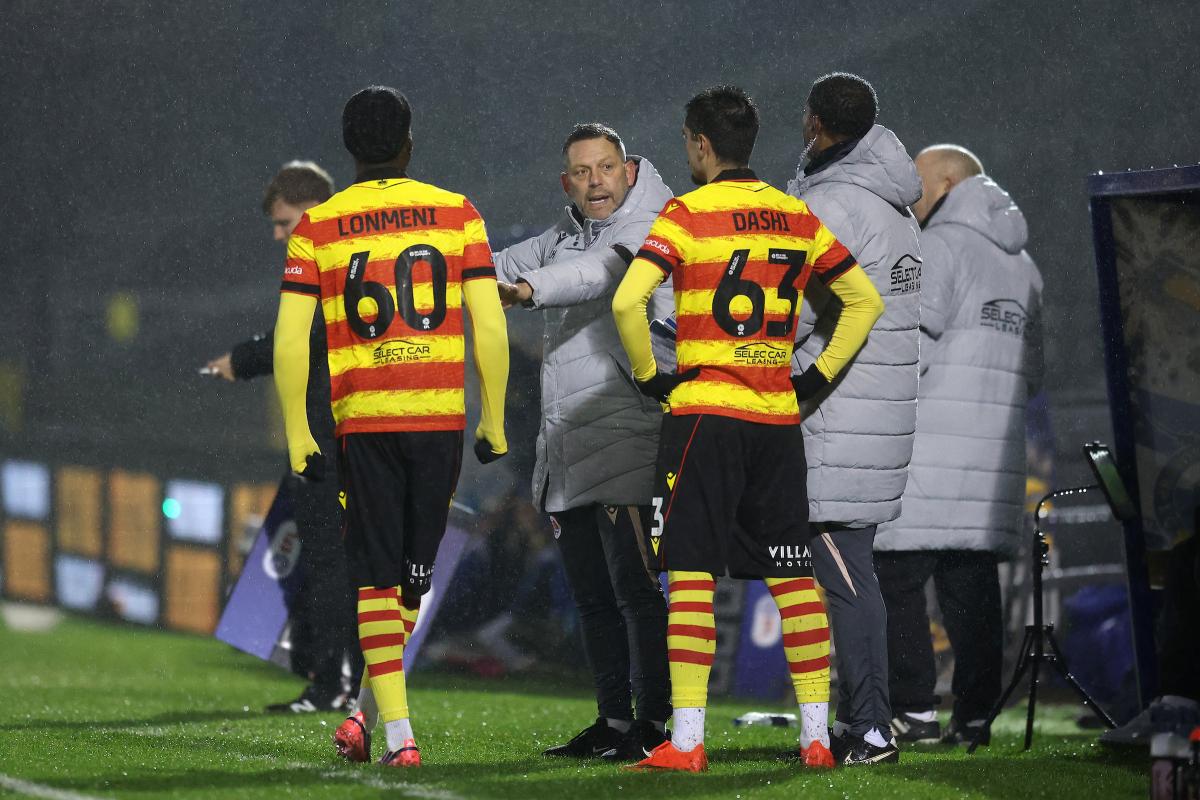


Reading FC's academy continues to produce players capable of breaking into the first team, but why are so few of the club's youngsters gaining experience on loan in League Two?
It is a pathway that has become increasingly common elsewhere in League One.
Clubs including AFC Wimbledon, Blackpool, Doncaster Rovers, Wigan Athletic, Peterborough United and Stevenage currently have players gaining valuable senior experience on loan in the fourth tier, using League Two as a bridge between academy football and first-team action.
By contrast, Reading's young prospects have more commonly been sent into the National League, overseas or into alternative senior environments before pushing for opportunities at the Select Car Leasing Stadium.
Read more
-
Leam Richardson addresses Josh Knight future amid Portsmouth review
-
Reading FC assistant emerges as contender for Swindon Town vacancy
-
"It's step up or roll over" - Reading FC's Godwin-Malife after Bromley defeat
-
"This is a pivotal moment" - Reading FC boss Richardson after Bromley loss
-
Reading FC crash in 'unacceptable' defeat to bottom of league Bromley
However, when asked by The Reading Chronicle why more academy players are not securing League Two moves, manager Leam Richardson believes perception plays a significant role.
The Royals boss argued that Reading's status as a League One club can make it harder for youngsters emerging from the academy to earn opportunities higher up the pyramid, despite the club retaining its prestigious Category One academy status.
He said: "Do you know what football gives you? It's a bit of a status thing.
"I think if Reading was a Premier League club, then League Two clubs would come and take them.
"But because we're a League One club, it's a little bit, well, it's a bit of a status thing.
"They've got to go and find out for themselves that these lads can actually go and play now and again in League Two.
"And we have had, now we're getting more interest over the last four, five, six months of that with a few of them because the natural thing is normally to take them two rungs below where the level is."
Reading's academy has continued to produce first-team talent despite a turbulent period for the club, with several highly-rated youngsters having been lured away by Premier League sides in recent years.
Richardson believes that can sometimes cause people to overlook the quality that still exists within the Royals' youth ranks.
He said: "I think they do forget that we've still got a Category One academy.
"Although obviously over the last few years it's been pilfered and pushed a little bit from the Premier League clubs, which we know about.
"But yeah, I think it's purely a status thing."

The lack of League Two opportunities for Reading's academy graduates is not a new phenomenon.
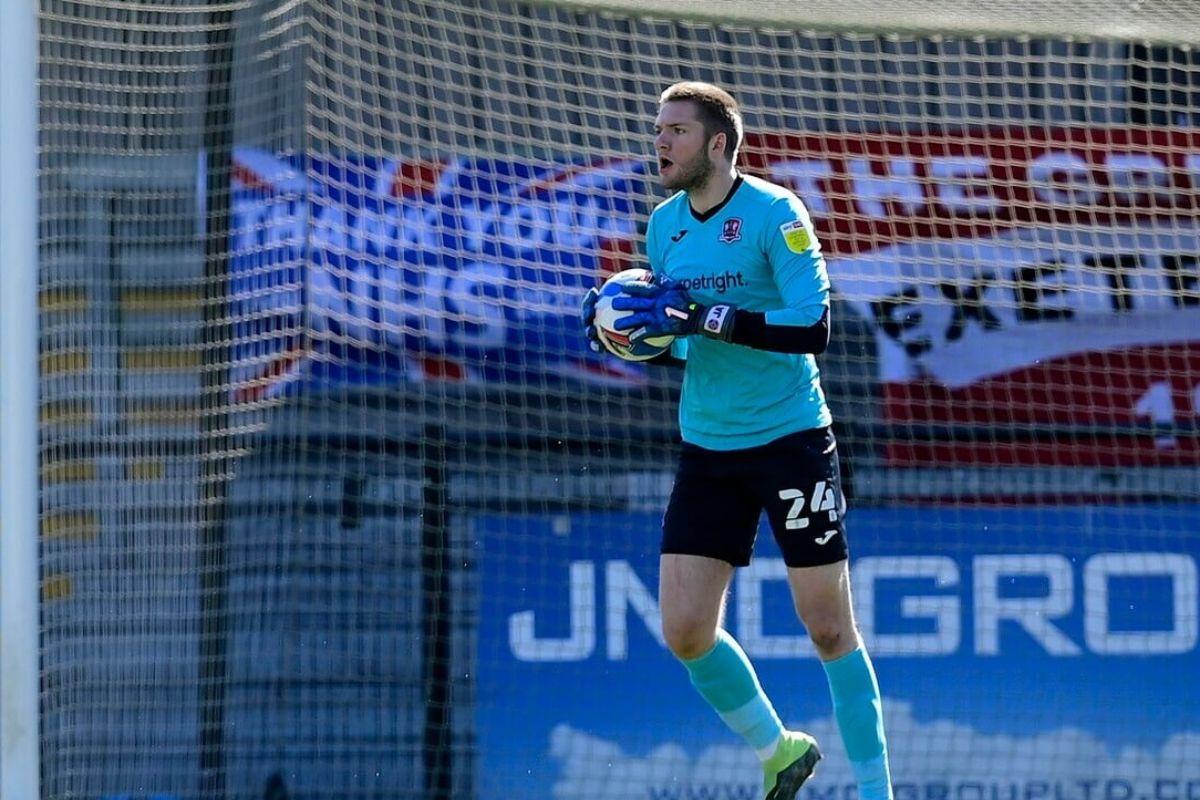
The last academy player involved in Reading's first-team setup to secure a loan move to a League Two club was goalkeeper Jökull Andrésson during the 2020/21 season. The Icelandic stopper spent time on loan at Exeter City before later joining Morecambe, both then competing in the fourth tier.
Since then, Reading's prospects have taken a variety of different routes.
During the club's Championship days, striker Jahmari Clarke joined Forest Green Rovers on loan during the 2022/23 campaign, with the Gloucestershire club then playing in League One. In the same season, defender Jeriel Dorsett stepped outside the English pyramid altogether, joining Scottish Premiership side Kilmarnock.
Following Reading's relegation to League One, loan destinations have increasingly moved outside the EFL. Kelvin Abrefa and Ashqar Ahmed have both joined Forest Green since the club dropped into the National League, while striker Sean Patton has also spent time with Rovers this season.

Richardson revealed to The Reading Chronicle last week that several League Two clubs had expressed an interest in Patton before his move. However, the striker ultimately joined Forest Green, continuing a trend of Reading academy graduates gaining experience in non-league football rather than League Two.
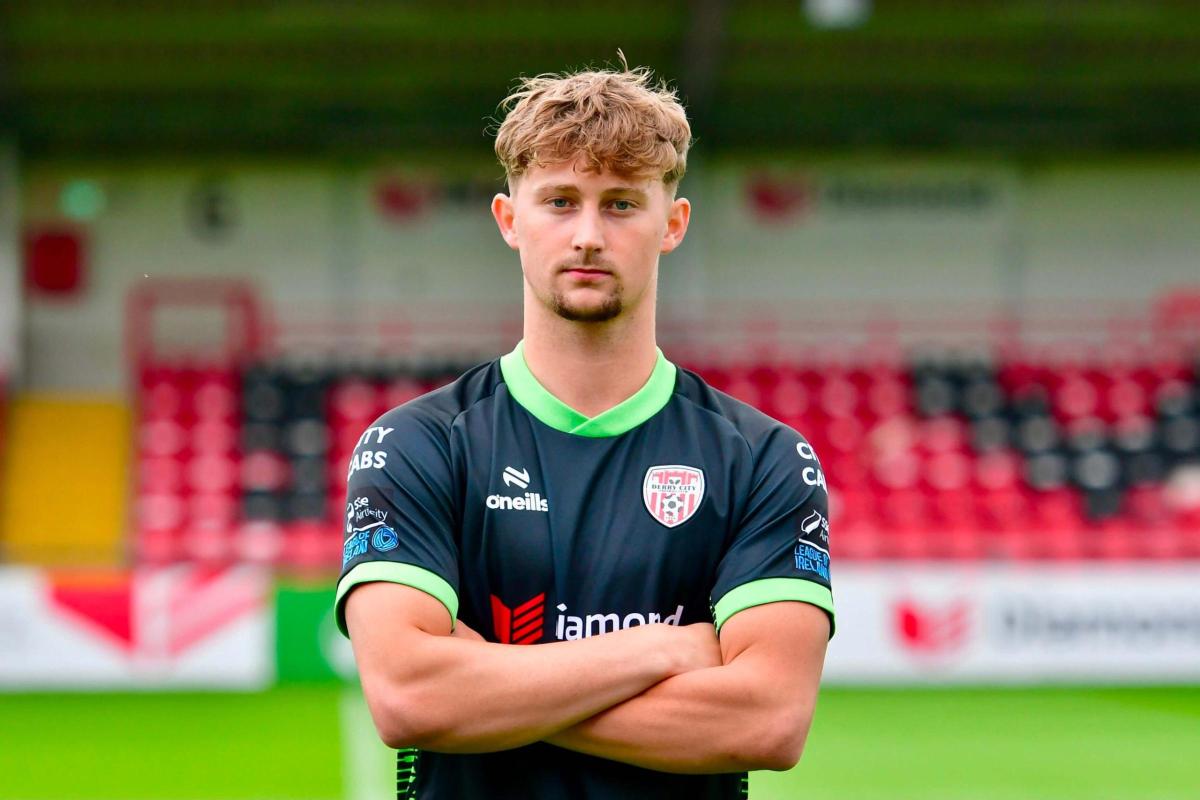
Elsewhere, Tyler Sackey was sent to fellow National League outfit Aldershot Town, while goalkeeper Tom Norcott embarked on a different challenge altogether by joining Derry City. The shot-stopper helped the Irish side secure European football after impressing during their successful FAI Cup campaign.

The examples highlight the varied routes Reading's young players have taken in recent years. Yet despite academy graduates finding opportunities in League One, the Scottish Premiership, the National League and the League of Ireland, a move into League Two has remained a rarity.
The Royals boss pointed to his own experiences elsewhere in football as evidence that a club's standing can often influence the level of loan opportunities available to its young players.
He said: "Because I remember when, let's say Blackburn Rovers, when I worked up there in them areas, when they were in the Premier League, they were all going on loan to the Championship and League One.
"But when they went into the Championship, then they couldn't seem to get the players out on loan to the Championship and League One because they're a Championship club anyway.
"But really, the lads are at that level.
"So yeah, sometimes it's just a bit of a status thing."
Despite those challenges, Richardson believes Reading's youngsters are beginning to earn more recognition from clubs higher up the pyramid as they continue to prove themselves in senior football.
The manager expects that to lead to more EFL loan opportunities in the future.
He said: "But they will.
"I think they need to tick a box once the lads go into the conference and know that they can really hold their own there.
"Then they'll have more league loans, I'm sure."
For now, Reading's route for academy prospects remains different to many of their League One rivals. While other clubs are increasingly using League Two as a stepping stone between academy and first-team football, Reading's youngsters are more commonly being sent to the National League or overseas.
Richardson's view is clear: the issue is not whether the Royals' academy players are good enough for League Two, but whether enough clubs are willing to look beyond Reading's league status and recognise the quality still emerging from a Category One academy.


Share